Gardeners Bounds Green: Recycling and Sustainability
 Gardeners Bounds Green is committed to building an eco-friendly waste disposal area and a resilient sustainable rubbish gardening area that supports local green spaces and community growers. This page outlines our targets, practical actions and partnerships to help gardeners of Bounds Green reduce waste, recover materials and lower carbon emissions across the neighbourhood.
Our approach is guided by the boroughs' broader waste separation systems and kerbside collections: glass, mixed plastics, paper and card are separated at source, while food waste caddies and garden waste bins are prioritised for composting. By aligning with nearby council schemes and using household sorting best practices, Gardeners' Bounds Green aims to reduce landfill volume and increase recycling throughput.
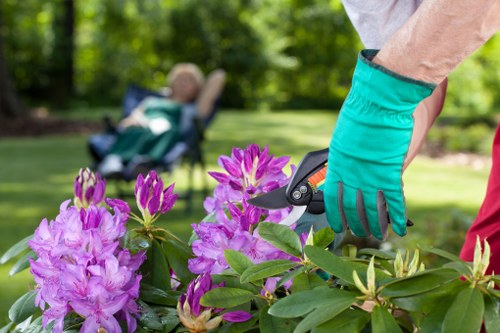
Recycling percentage target and measurable goals
We have set a clear, time-bound target: reach a 65% recycling rate across Gardeners Bounds Green by 2030. This target combines household recycling, community composting and reuse initiatives for garden-related waste. To achieve it we monitor weekly collection outputs, seasonal bulky garden waste, and volumes diverted to local transfer stations and recovery facilities.To support these targets we map local transfer stations and materials recovery facilities (MRFs) in north London and the neighbouring boroughs. These local transfer stations act as intermediate hubs where sorted recyclables and green waste are consolidated, baled and sent to specialist processors. By optimising routes to nearby transfer points we cut vehicle mileage and improve material sorting accuracy at source.
Key recycling activities relevant to our community include:
- Kerbside separation of paper, card, glass, rigid plastics and food waste — following borough guidance for contamination minimisation.
- Community composting schemes for woody prunings, grass cuttings and kitchen scraps from gardener households.
- Collections for bulky green waste and seasonal pruning, coordinated to reduce multiple van trips.
- Textiles and small electricals collection points at community hubs to keep non-organic garden-related items out of landfill.
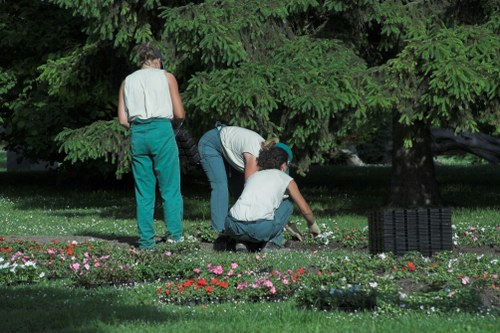
Partnerships with charities and community groups
We work closely with local charities, environmental organisations and community gardens to expand reuse and redistribution. Partnerships focus on diverting usable materials—pots, soil sacks, tools and planters—to community projects and social enterprises that support low-income gardeners and training programmes. These collaborations help establish a circular approach where surplus materials are refurbished and rehomed rather than discarded. Low-carbon vans and greener collection logistics are central to minimizing the carbon footprint of our waste collection. Where possible Gardeners Bounds Green uses electric and hybrid low-emission vans for local transfers and bulky-garden-waste pick-ups. Route scheduling software reduces empty running, and consolidated collection days for garden waste lower total miles driven. Over time this fleet transition contributes directly to our sustainability metrics and supports cleaner air in residential streets.
Operational measures include staff training in waste segregation, on-the-ground audits at community collection points and seasonal drives to encourage residents and gardeners bounds green volunteers to avoid contamination in recycling streams. We also promote home composting with low-tech kits and shared compost bays for terrace and communal gardens, reducing the need for transport to transfer stations for organic material.
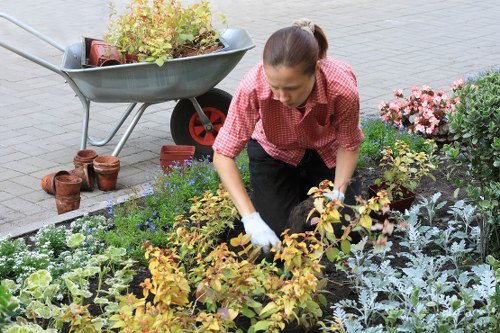
Practical steps for residents and gardeners
- Sort at source: Rinse and separate recyclables according to your borough’s guidance to increase material recovery rates.
- Compost locally: Use a caddy or community compost heap for food and garden waste; this reduces collection demand and creates soil for community beds.
- Donate and reuse: Offer surplus plants, pots and tools to charity-run exchanges or reuse events rather than placing them in residual waste.
- Book consolidated collections: Combine woody waste or bulky pruning with neighbours to reduce van trips and emissions.
Sustainability outcomes and long-term vision
Our sustainable rubbish gardening area aims not only to hit the 65% recycling target by 2030 but to create thriving green spaces fueled by recycled resources, compost and reused materials. By coordinating with local transfer stations, partnering with charities, and investing in low-carbon vans, Gardeners Bounds Green will lower environmental impacts while supporting community resilience.We encourage every resident and Bounds Green gardener to take part: separate waste correctly, sign up for community compost projects, and look for reuse options before disposal. Small actions multiplied across the neighbourhood will help turn our green ambitions into measurable results and a cleaner, more sustainable Bounds Green for everyone.
Together, our combined efforts—better sorting, increased reuse, strategic use of local transfer stations, charity partnerships and a low-emission collection fleet—will make Gardeners' Bounds Green a model for urban gardening sustainability and resource recovery.

